By Rajendra Paudel, MTM Fellow 2023, Dubai
The war in the Persian Gulf has affected people all over the world. One group that has been largely overlooked is migrant workers in the region. Low-income workers especially wonder how far the war will affect their livelihoods. Labour migration activist, social media influencer, and 2023 MTM Fellow alumni, Rajendra Paudel, reached out to his network of migrant workers in the United Arab Emirates (UAE) and wrote down his perceptions of the war at the Persian Gulf.
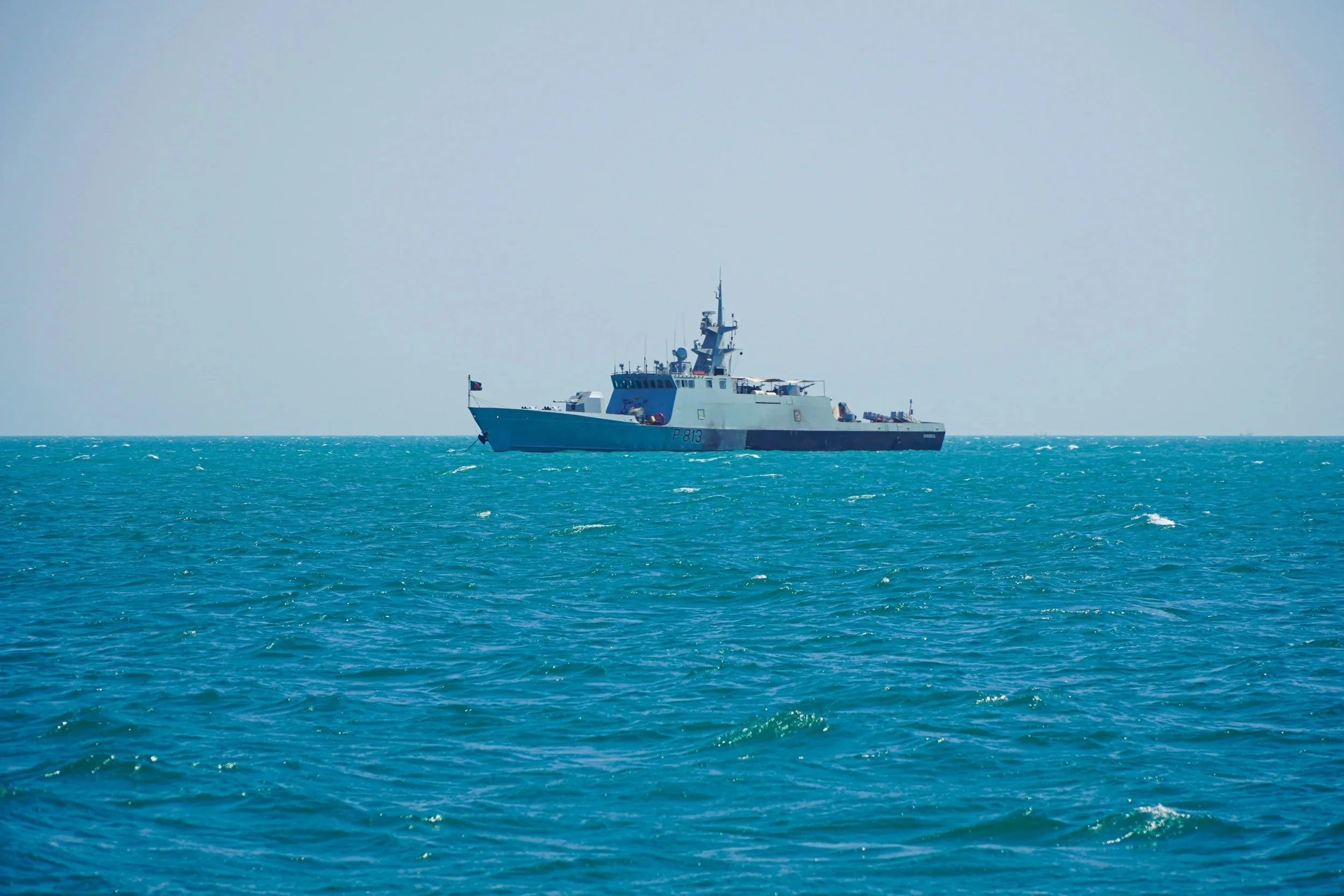
Photo by: Md Samiuzzaman Sakib from Pexels
It was on Saturday, 28 February, 2026, when the US and Israel attacked Iran. Tehran's response came promptly: within hours the regime attacked targets in the countries of the Persian Gulf, including the United Arab Emirates (UAE). Three people were killed, all of them migrant workers. It wasn't until the next day that UAE's phone alert system sent a warning message for the first time. Many migrant workers in the Gulf did not fully understand what was happening. Conversations stopped. Phones immediately came out. Some workers opened TikTok; others checked WhatsApp groups, YouTube livestreams, Facebook posts, or local online news pages.
In labour camps and in shared accommodation, information started spreading within minutes. But so did fear. In UAE, migrant workers and expatriates are not a small minority. Instead, they make up the majority of the country's population. The UAE's total population is around 11 million, and expatriates are widely estimated to account for roughly 86–88 percent of residents.
The UAE Ministry of Foreign Affairs also notes that more than 200 nationalities live and work in the country, and that expatriates outnumber UAE nationals. This means migrant workers are not only part of the labour market; they are central to the functioning of the economy and daily life.
From construction, logistics, hospitality, transport, domestic work, retail, oil and gas, to professional services, the UAE's growth story is closely connected to labour migration. According to Human Rights Watch, many of the migrant workers face precarious conditions or even abuse. At the same time, UAE society generally recognizes and the country often promotes an inclusive message that everyone living in the UAE is part of its wider community. and respects this diversity,
Still, migrant workers can experience moments of crisis differently because they depend on monthly wages and may not always receive clear information in their own language. For many migrant workers, the first two days of the war were defined not by physical danger, but by uncertainty. Given the precarious situation, most people were likely not discussing the intricacies of geopolitics or trying to understand the wider regional conflict; they were worried about making ends meet in yet another war.
War experienced through technology
Unlike UAE citizens, many migrant workers live far from their families and and who rely almost entirely on their monthly salaries through remittances. Many low-income workers also live in shared accommodation, where information spreads quickly through friends, community groups, and social media, often without confirmation from official sources. During the latest war, especially in labour camps and shared accommodation, technology became both a source of information and a source of confusion. News, rumours, videos, and voice notes spread quickly among workers, sometimes increasing uncertainty and fear. In many cases, fear stemmed as much from misinformation as from the situation itself.
Families back home in Nepal, India, Bangladesh, and other countries were also following the situation closely through social media. Many workers started receiving nonstop calls from parents, wives, and relatives asking whether they were safe or whether they should return home. In some cases, families seemed even more frightened than the workers themselves.
As one Nepali worker shared with me: "For the first two days, I felt like maybe we would not even be able to return home." That feeling was not uncommon. Even workers who felt physically safe experienced psychological stress simply because they did not know what would happen next.
Information came later
As the situation developed, official communication became clearer. Authorities across the Gulf Cooperation Council (GCC) increased efforts to monitor misinformation, and more reliable updates began circulating through official channels. Gradually, people understood that the GCC countries themselves were not directly at war, but were responding defensively to a wider regional situation. That understanding slowly reduced panic.
The role of technology in maintaining stability also became visible in other ways. Alert systems, communication infrastructure, and advanced defense systems helped governments respond quickly and maintain public confidence. Reports by foreign an independent media, however, criticized especially the reporting restrictions imposed by UAE leadership. But daily life across much of the region remained largely normal, which gradually reassured workers.
For many migrant workers, the experience highlighted both sides of modern technology. The same phones and platforms that created fear also helped people stay informed, connected, and reassured. But even after the fear of missiles and drones slowly faded, another kind of anxiety began to grow: economic uncertainty. For workers living from month to month while supporting families back home, the greater concern became jobs, salaries, overtime, and business continuity. Discussions in labour accommodation slowly shifted from safety to work. One Indian migrant worker explained it to me simply: "Now I'm no longer afraid of missiles or drones. I'm more worried about what will happen to my job."
This concern became closely linked to conversations about trade routes, logistics, and the Strait of Hormuz, which plays a major role in connecting the Gulf region with the global economy. Many workers started wondering what would happen if the uncertainty continued for too long.
In sectors linked to tourism, logistics, oil and gas, construction, real estate, and trade, workers quietly discussed possibilities such as salary delays, fewer working hours, reduced overtime, project slowdowns, or extended leave.
For low-income migrant workers, even temporary uncertainty can feel overwhelming. Many support entire families through monthly remittances, and any disruption immediately creates emotional pressure. In the end, the latest war and the experiences of migrant workers in UAE showed something important: during moments of crisis, access to accurate information becomes almost as important as physical safety.
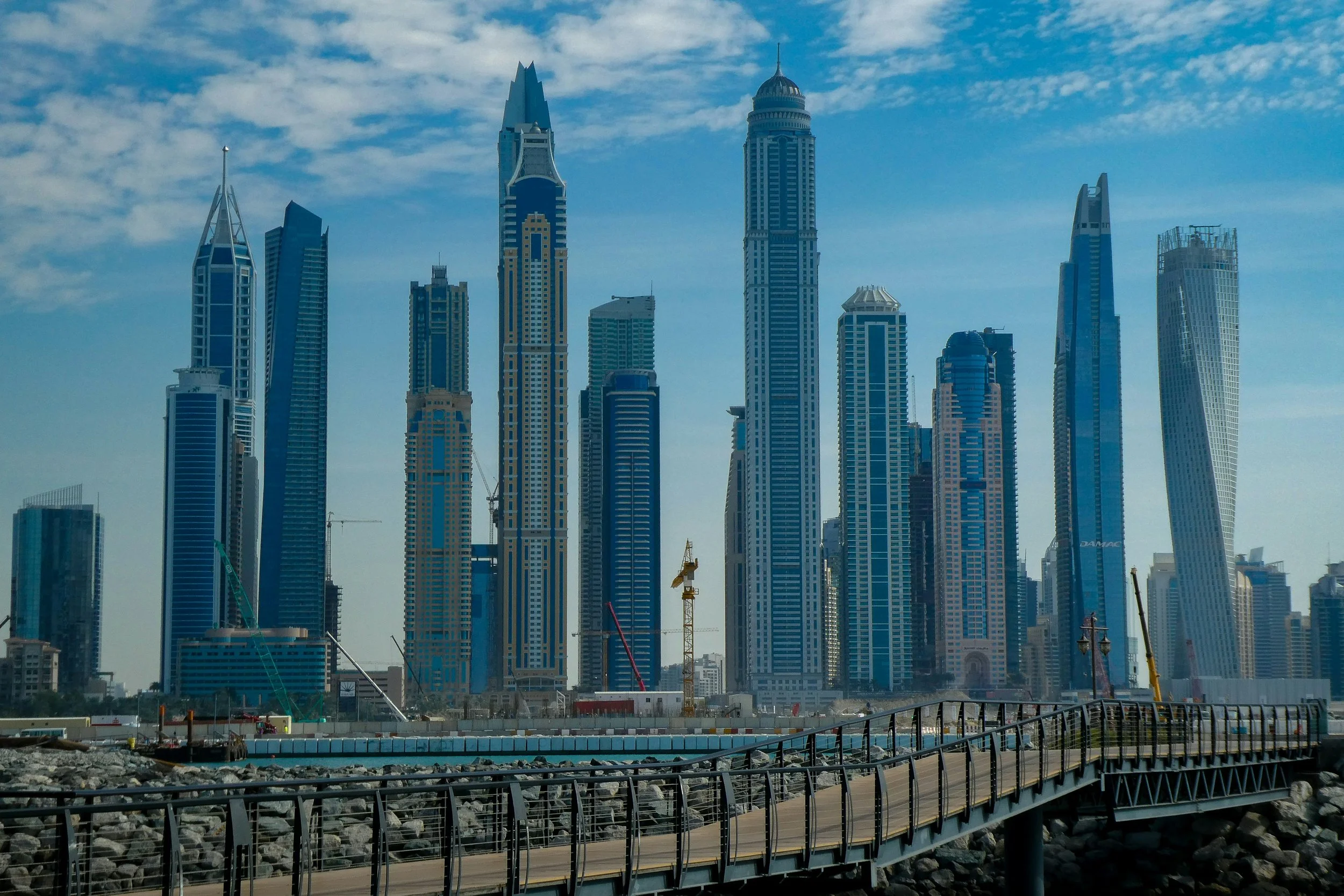
Photo by: Nick Fewings from Unsplash